The Cereal Decoction: The First Approach — Decoction / Cereal Mash
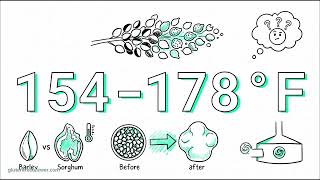 Watch on YouTubeThe Cereal Decoction — Starch Access Before ConversionThe long form: what a cereal-mash step is for, when it earns its place, and how to design a trial for it. AI-generated from this page and reviewed for accuracy.
The framework run sheet
Every other protocol on this site publishes temperatures, hold times and doses. This one can't, and the card below will hand you Your validated temperature path where the Reliable Mash hands you 190°F (88°C) for 60 minutes.
That is not an oversight. Decoction and cereal-mash values are genuinely ingredient- and equipment-specific in a way the Reliable Mash's are not — but the honest reason is narrower: this was the first approach Bard's tried, and no execution records survive. A search of the source archive on 2026-08-15 — the full email index and the document gap index — returned zero cereal-mash or cereal-boil process records and no decoction protocol of our own. What it did turn up was a 2018 request to an equipment vendor to quote adding a cereal cooker: the intent is documented, the operating numbers are not.
We are not going to invent them. Treat this page as a framework for designing your own trial, and The Reliable Mash as the one you can actually run. If you work out a cereal-mash path that performs on gluten-free grain, that is exactly the kind of result this site wants.
Decoction / Cereal Mash Workflow
- Protocol
- GFB-CEREAL
- Version
- Approach
- Effective
- August 2026
The workflow logic of heat-based starch preparation — for raw grain, grits, flour, and high-gelatinization adjuncts whose starch is not ready for conversion. This card carries the decision structure, deliberately without temperatures or times.
Read first: This is workflow logic, not a validated schedule. No cereal-mash temperatures, times, or ratios are documented as a GFB baseline — those numbers belong to your ingredient, your equipment, and your trial records. What this card holds constant is the order of decisions and the failure mode at each one.
Decide before you fire the kettle
Choose what actually needs preparation
- Do
- Judge each grist component: does its starch need preparation, or is it already convertible? Cook only what needs it.
- Add
- None
- Advance when
- The portion needing heat work is named, with its percentage of the grist.
- Record
- Ingredient form · Starch-access reasoning · Grist percentage
Expose without making paste
- Do
- Set the crush for the ingredient and the heat step it is about to see, not for a barley habit.
- Add
- None
- Advance when
- Particle size and flour load are workable for hydration, heating, and later runoff.
- Record
- Mill settings · Flour load observation
Water in before heat is judged
- Do
- Mix to full, even hydration. Break clumps. Watch thickness.
- Add
- Water at your chosen ratio
- Advance when
- No dry pockets or clumps; thickness manageable.
- Record
- Water ratio · Hydration behavior
The cereal / decoction phase
- Do
- Run the separate cereal mash or pulled-portion decoction with continuous attention to mixing, scorching, and viscosity.
- Add
- None
- Advance when
- The heated portion shows changed, workable starch behavior.
- Record
- Actual temperature path and time · Mixing and viscosity behavior
Thin the prepared portion if needed
- Do
- If the prepared portion needs enzymatic thinning, apply a liquefaction enzyme per supplier-specific guidance for pH, temperature, and contact time.
- Add
- Liquefaction enzyme per supplier guidance, if needed
- Advance when
- The portion moves, mixes, and cools like something a mash can absorb.
- Record
- Product, dose, conditions
Into conversion conditions
- Do
- Cool or recombine the prepared portion into the main mash; check the resulting temperature and pH against the conversion plan.
- Add
- Cooling or dilution water as calculated
- Advance when
- Combined mash sits inside the conversion window with enzyme survival intact.
- Record
- Combined temperature and pH
Make the wort
- Do
- Run conversion per your enzyme plan (external classes, native contribution, or both), with pH recorded as interpretation evidence.
- Add
- Conversion enzymes per your plan
- Advance when
- Gravity and iodine behavior say the prepared starch became wort.
- Record
- pH with temperature path · Gravity · Iodine checks
The mash still has to separate
- Do
- Apply the grist structure, rice hulls, thickness, and recirculation plan made before brew day.
- Add
- Rice hulls per plan
- Advance when
- Wort leaves the mash at a workable rate and clarity.
- Record
- Runoff speed and behavior
Did the extra work earn its place?
- Do
- Compare against the baseline batch: gravity, volume, runoff, fermentation, sensory. Keep the comparison to the variable you changed.
- Add
- None
- Advance when
- You can say whether heat preparation improved the wort — and why.
- Record
- Baseline vs result · The keep-or-drop decision
| Step | Action | Target | Add | Advance when |
|---|---|---|---|---|
| 1. Select: more detail | Judge each grist component: does its starch need preparation, or is it already convertible? Cook only what needs it. | Ingredient form and grist % — | None | The portion needing heat work is named, with its percentage of the grist. |
| 2. Mill: more detail | Set the crush for the ingredient and the heat step it is about to see, not for a barley habit. | Crush fits ingredient and process — | None | Particle size and flour load are workable for hydration, heating, and later runoff. |
| 3. Hydrate: more detail | Mix to full, even hydration. Break clumps. Watch thickness. | Even hydration, no dry pockets — |
| No dry pockets or clumps; thickness manageable. |
| 4. Heat: more detail | Run the separate cereal mash or pulled-portion decoction with continuous attention to mixing, scorching, and viscosity. | Your validated temperature path Your trial records | None | The heated portion shows changed, workable starch behavior. |
| 5. Liquefy: more detail | If the prepared portion needs enzymatic thinning, apply a liquefaction enzyme per supplier-specific guidance for pH, temperature, and contact time. | Per supplier guidance — |
| The portion moves, mixes, and cools like something a mash can absorb. |
| 6. Recombine: more detail | Cool or recombine the prepared portion into the main mash; check the resulting temperature and pH against the conversion plan. | Main-mash conversion window — |
| Combined mash sits inside the conversion window with enzyme survival intact. |
| 7. Convert: more detail | Run conversion per your enzyme plan (external classes, native contribution, or both), with pH recorded as interpretation evidence. | Your conversion plan — |
| Gravity and iodine behavior say the prepared starch became wort. |
| 8. Run off: more detail | Apply the grist structure, rice hulls, thickness, and recirculation plan made before brew day. | Clean, moving runoff — |
| Wort leaves the mash at a workable rate and clarity. |
| 9. Judge: more detail | Compare against the baseline batch: gravity, volume, runoff, fermentation, sensory. Keep the comparison to the variable you changed. | One changed variable, judged — | None | You can say whether heat preparation improved the wort — and why. |
Run each step with its checks and context
Use the run sheet during a routine mash. Use these expanded steps when setting up the process, training an operator, documenting a deviation, or diagnosing unexpected behavior.
Choose what actually needs preparation
Objective
Identify the material whose starch needs heat, hydration, or handling before conversion — and only that material.
Operating instruction
Judge each grist component: does its starch need preparation, or is it already convertible? Cook only what needs it.
What good looks like
The portion needing heat work is named, with its percentage of the grist.
Watch for
Cooking material that did not need it — or missing the material that did.
If this happens
Re-derive the need from ingredient form, not from what the method usually looks like.
Record
Ingredient form · Starch-access reasoning · Grist percentage
Expose without making paste
Objective
Enough exposure for water and heat to reach the starch, without a flour load that turns the process into wallpaper paste.
Operating instruction
Set the crush for the ingredient and the heat step it is about to see, not for a barley habit.
What good looks like
Particle size and flour load are workable for hydration, heating, and later runoff.
Watch for
Starch staying protected inside coarse particles, or a mash too thick to handle.
Record
Mill settings · Flour load observation
Water in before heat is judged
Objective
Water has to reach the material before any heat step can be evaluated honestly.
Operating instruction
Mix to full, even hydration. Break clumps. Watch thickness.
- Water at your chosen ratio
What good looks like
No dry pockets or clumps; thickness manageable.
Watch for
A mash that looks active but is unevenly hydrated — false confidence starts here.
Record
Water ratio · Hydration behavior
The cereal / decoction phase
Objective
Change the starch condition — gelatinize and open what the simple mash could not reach. Boiling is not the point; changed starch condition is.
Operating instruction
Run the separate cereal mash or pulled-portion decoction with continuous attention to mixing, scorching, and viscosity.
What good looks like
The heated portion shows changed, workable starch behavior.
Watch for
Scorching, viscosity spikes, and heat that changes nothing.
If this happens
Stop adding heat that is not changing starch condition — diagnose hydration or milling instead.
Record
Actual temperature path and time · Mixing and viscosity behavior
Thin the prepared portion if needed
Objective
Reduce thick starch behavior enough for the portion to be mixed, cooled, recombined, and eventually run off.
Operating instruction
If the prepared portion needs enzymatic thinning, apply a liquefaction enzyme per supplier-specific guidance for pH, temperature, and contact time.
- Liquefaction enzyme per supplier guidance, if needed
What good looks like
The portion moves, mixes, and cools like something a mash can absorb.
Watch for
A prepared portion too thick to recombine or run off.
Record
Product, dose, conditions
Into conversion conditions
Objective
Move prepared starch into a temperature and pH range where conversion can work — without cooking the enzymes that will do it.
Operating instruction
Cool or recombine the prepared portion into the main mash; check the resulting temperature and pH against the conversion plan.
- Cooling or dilution water as calculated
What good looks like
Combined mash sits inside the conversion window with enzyme survival intact.
Watch for
Accessible starch meeting dead enzymes — the step where good preparation gets wasted.
Record
Combined temperature and pH
Make the wort
Objective
Prepared starch still has to meet real conversion power under workable conditions — heat preparation opens the door; conversion walks through it.
Operating instruction
Run conversion per your enzyme plan (external classes, native contribution, or both), with pH recorded as interpretation evidence.
- Conversion enzymes per your plan
What good looks like
Gravity and iodine behavior say the prepared starch became wort.
Watch for
Solving access and still failing conversion — the classic half-victory.
Record
pH with temperature path · Gravity · Iodine checks
The mash still has to separate
Objective
Heat preparation can raise viscosity and densify the bed — runoff is designed, not assumed.
Operating instruction
Apply the grist structure, rice hulls, thickness, and recirculation plan made before brew day.
- Rice hulls per plan
What good looks like
Wort leaves the mash at a workable rate and clarity.
Watch for
Good extract trapped in a stuck bed.
Record
Runoff speed and behavior
Did the extra work earn its place?
Objective
A complicated brew day that produces no clear lesson is the method failing, whatever the beer tastes like.
Operating instruction
Compare against the baseline batch: gravity, volume, runoff, fermentation, sensory. Keep the comparison to the variable you changed.
What good looks like
You can say whether heat preparation improved the wort — and why.
Watch for
Changing six variables and learning nothing.
Record
Baseline vs result · The keep-or-drop decision
 Watch on YouTubeHeat Before EnzymesThe one-idea version: more enzyme can't reach starch the enzyme can't reach. AI-generated from this page and reviewed for accuracy.
How the three relate
The Cereal Decoction was the first approach tried. The Maltose Mash is the design that ran as Bard's original production mash, and whose chemistry — through toll-processed extract — made most of the beer Bard's ever sold. The Reliable Mash is the redesign that replaced it on the brewhouse floor, and the one whose brewhouse records we hold.
These used to be numbered Mash Protocol 1, 2 and 3. The numbers were retired on 2026-08-30 because they implied a sequence that was not merely uninformative but backwards: the numbering ran 1, 2, 3 while the history ran Cereal Decoction, Maltose Mash, Reliable Mash.
Some mashes need heat before they need another enzyme decision.
That's the practical reason for a cereal-mash or decoction-style process in gluten-free brewing. The brewer is trying to change the condition of the starch before asking conversion to happen.
If starch is locked inside the grain structure, poorly hydrated, not gelatinized, or physically unavailable, enzymes can sit in the mash and still underperform. The mash may look active. The process may look serious. The wort may still disappoint.
An enzyme mash starts by asking how conversion power will be supplied.
A cereal-mash or decoction-style process starts one step earlier:
Is the starch ready to be converted at all?
What a cereal mash or decoction approach is
A cereal-mash or decoction-style approach uses heat, hydration, and mash handling to prepare starch before conversion.
In practical gluten-free brewing, the method is about access. The brewer may separate part of the grist, heat it more aggressively, hydrate it differently, or process a portion of the mash so the starch becomes easier to use. That prepared portion then has to fit back into the larger conversion plan.
Boiling is not the point. Changing starch condition is.
Many gluten-free grains and adjunct forms carry useful starch that does not behave well under simple barley-style mash assumptions. Rice, corn, sorghum, millet, buckwheat, and other materials can respond differently depending on form, milling, moisture, starch damage, and prior processing. Raw grain, grits, flour, flaked material, malted grain, and roasted ingredients don't enter the mash in the same condition.
A cereal-mash or decoction-style approach gives the brewer a way to manage that difference.
It's useful only when it solves a real process problem.
What to do about it
A cereal-mash or decoction-style process is about making starch accessible before conversion begins.
When the brewer understands that objective, the rest of the process becomes easier to judge.
The brewer is solving a starch-access problem.
If heat preparation makes the starch accessible, conversion has a better chance. If the process adds heat, time, and complexity without improving access, it's just extra work.
Make the starch available.
Then make wort.
Why brewers use this approach
Brewers use this approach when the grist needs more preparation than a simple mash gives it.
The common problem is inaccessible starch. A grist can contain plenty of starch and still convert poorly because the starch is protected, poorly hydrated, or not physically ready for enzyme work. Adding enzyme may help only after the starch is available enough for the enzyme to act.
Heat-based preparation can help with grains and adjunct forms that need more aggressive hydration or gelatinization before conversion. It can also give the brewer more ingredient flexibility. A brewer may want to use raw grain, grits, flour, whole grain, or mixed ingredient forms that don't behave like flaked or pregelatinized materials.
This approach can also support beer identity. A brewer may want an ingredient because it contributes flavor, body, structure, or a recognizable grain character. A cereal-mash or decoction-style process may make that ingredient more usable without pretending it is self-converting malt.
The tradeoff is work.
Cereal-mash and decoction-style processes usually demand more attention than a simpler enzyme mash. They can involve more handling, more heat management, more mixing, more timing decisions, and more ways to create viscosity, scorching, uneven hydration, or runoff problems.
That extra work has to earn its place.
If it improves starch preparation and gives conversion a better chance, it belongs in the process. If it only makes the brew day busier, it's extra handling without a brewing payoff.
The basic workflow
The workflow logic matters more than a copied list of rests — which is why the card below carries decisions and failure modes, deliberately without temperatures.
Milling
The mill sets the first constraint.
Milling affects starch exposure, hydration, heat transfer, and runoff. A cereal-mash process can make starch more accessible, but it cannot fully rescue a crush that leaves too much material protected or turns the mash into paste.
The crush has to fit the ingredient and the rest of the process.
Grain preparation
Before heat does useful work, the grain has to be ready for it.
Whole grain, grits, flour, raw adjuncts, flaked materials, malted grains, and roasted ingredients hydrate differently and respond to heat differently. The brewer has to think about how water reaches the starch, how evenly the material heats, and whether the process creates a manageable mash.
This is where the method often succeeds or fails quietly. Poor hydration and uneven heating can create a process that looks active but leaves starch poorly prepared.
Cereal mash or decoction phase
This is the heat-focused part of the process.
The brewer uses a separate cereal mash, a pulled portion of mash, or another decoction-style handling method to prepare starch before it enters the main conversion work. The details vary by brewhouse, ingredient, and goal.
The practical question is simple:
What does this portion of the mash need before conversion can work?
The answer may involve more heat, more hydration, more time, or different handling than the rest of the grist. The answer should not be "because the method sounds impressive."
Starch preparation
This phase decides whether the starch becomes reachable.
Gelatinization matters here, but the practical point is narrower: inaccessible starch can't convert efficiently.
When the heat-focused portion is prepared well, enzymes later have something better to work on. When it is prepared poorly, the brewer may create thick mash, scorched material, uneven access, or a longer brew day with no meaningful improvement in wort.
Conversion phase
Once starch is accessible, conversion still has to happen.
A cereal-mash or decoction-style approach does not remove the need for conversion power. The brewer still has to know where enzyme activity is coming from: malted ingredients, external enzymes, or some combination of both.
The prepared starch has to meet useful enzyme activity under conditions that support conversion.
Heat preparation opens the door.
Conversion still has to walk through it.
PH as conversion evidence
After starch preparation, pH helps explain whether the prepared material met enzyme activity under workable conditions. Record pH with the temperature path, ingredient form, enzyme class or native enzyme assumption, time, mash handling, and conversion behavior.
That record matters most when a cereal-mash or decoction-style step improves access but the wort still misses gravity, fermentability, or repeatability. pH is interpretation evidence, not proof by itself.
Runoff
The mash still has to separate.
Heat preparation can help wort production, but it can also increase viscosity or create a denser mash if handled poorly. The brewer still needs to think about crush, grist structure, rice hulls, mash thickness, and runoff behavior.
Good starch preparation does not guarantee good lautering.
Fermentation preparation
Fermentation receives the result.
If the process makes starch accessible and conversion works, fermentation gets useful wort. If the process creates poor extract, low fermentability, starch carryover, excessive fermentability, or inconsistent wort, the fermenter will show the consequences.
The goal is wort that makes the beer work.
Why access comes before conversion
Conversion starts with access.
A mash can be full of starch and still make weak wort. That's the mistake this approach is designed to prevent.
The brewer is not rewarded for starch existing in the mash. The brewer is rewarded when that starch becomes available enough to convert. Raw grains, high-gelatinization adjuncts, grits, flour, and mixed ingredient forms can all create situations where the mash contains plenty of potential extract but does not give conversion a fair shot.
The danger is assuming heat automatically fixes everything.
It does not.
Too little useful preparation may leave starch unavailable. Too much heat or poor handling may create viscosity, scorching, or enzyme-damaging conditions later in the process. Poor mixing can leave uneven pockets. Poor grist design can make the mash difficult to move even after access improves.
The goal is not heat for its own sake.
The goal is accessible starch followed by useful conversion.
Access Before Conversion
A cereal-mash or decoction-style approach earns its place only when heat preparation improves the starch condition conversion will inherit.
The method is not valuable because it is more complicated. It is valuable only when it turns protected starch into starch that conversion can actually use.
Common advantages
The first advantage is usable starch.
When the process is designed well, a cereal-mash or decoction-style approach can make difficult starch sources easier to convert. That can help the brewer use ingredients that would otherwise underperform in a simpler mash.
Ingredient flexibility is another advantage. The brewer may be able to use raw grain, grits, or other forms that need more preparation than flaked or pregelatinized materials.
The approach can also provide more process options. Some breweries may want a hybrid process. Some may want to use heat preparation to solve an access problem before enzyme work becomes the main question.
It can support beer identity, too.
If the brewer wants a grain in the beer for flavor, structure, body, or identity, this approach may help make that ingredient usable without forcing it into a barley-malt role.
Common tradeoffs
This approach costs time.
It also costs attention.
A cereal-mash or decoction-style process may require more handling, more heat management, more mixing, more cleaning, and more places to lose control. It can complicate the brew day. It can make repeatability harder if the process is not documented well.
The mash may become thick. Viscosity can climb. Scorching can become a real concern. Runoff may become harder if the grist and mash structure are not planned. The brewer may also create a process that is technically interesting but operationally annoying.
A process that works once but cannot be repeated cleanly is not much of a process.
This approach is useful when the extra work solves a real brewing problem. It is not useful when it adds complexity without improving wort.
Cereal mash versus enzyme mash
Neither approach is automatically better.
They solve different parts of the mash problem.
| Approach | Typical Strengths | Typical Challenges |
|---|---|---|
| Enzyme mash | Direct conversion support, repeatability, process flexibility, clear enzyme-driven objectives | Depends on starch access, mash conditions, pH, temperature, and choosing the right process goal |
| Cereal mash / decoction-style process | Improves starch preparation, supports difficult grains, helps with raw or high-gelatinization materials, expands ingredient options | Adds time, heat management, handling complexity, viscosity risk, scorching risk, and runoff challenges |
| Hybrid approach | Can combine starch preparation with deliberate enzyme support | More variables to control and more ways to misread what caused success or failure |
An enzyme mash asks:
How will conversion power be supplied and controlled?
A cereal-mash or decoction-style process asks:
How will starch become accessible enough for conversion to work?
Many real brewing systems need both questions. The tradeoff is deciding which problem needs attention first.
Common failure points
Cereal-mash and decoction-style processes fail when the brewer confuses activity with progress.
The process may involve extra heat, extra movement, extra time, and extra equipment. None of that guarantees better wort.
Poor starch preparation is the first failure point. If the heat-focused phase does not actually improve access, the process just made the brew day longer.
Poor process control is another. Uneven heating, poor hydration, scorching, thick mash behavior, or inconsistent mixing can create new problems while trying to solve the old one.
Skipping critical stages can also hurt the beer. A brewer may prepare starch but fail to support conversion afterward. Or they may create accessible starch but ignore runoff. Or they may focus on gravity while missing fermentability.
Changing too many variables is still a problem. If the brewer changes the grain bill, crush, cereal-mash handling, enzyme use, pH, temperature path, and fermentation all at once, the batch may improve, but nobody knows why.
The biggest failure is forgetting the objective. The point is not to perform a complicated mash. The point is to make useful wort.
This is still a system
A cereal-mash or decoction-style process does not stand alone.
It depends on milling, grist design, starch preparation, conversion, runoff, and fermentation.
If the milling is wrong, heat preparation may not solve the access problem cleanly. If the grist is poorly designed, the mash may become difficult to manage. If conversion power is weak, accessible starch may still fail to become useful wort. If runoff is ignored, the brewer may produce wort that can't leave the mash efficiently.
This approach can solve real problems, but it does not excuse sloppy process design.
The brewer still has to ask:
- What starch am I trying to prepare?
- What ingredient form am I working with?
- How will the prepared starch convert?
- How will the mash separate?
- What will tell me the process worked?
Those questions keep the method honest.
When this approach makes sense
This approach makes sense when starch preparation is the real problem.
It may make sense with raw grain, grits, high-gelatinization adjuncts, mixed grain bills, or ingredients that need more heat and hydration before conversion. It may make sense when the brewer wants to use an ingredient for beer identity but needs a process that makes the starch usable.
It may also make sense when the brewery wants more control over ingredient form or does not want to rely entirely on pregelatinized ingredients, syrups, or a purely enzyme-driven process.
It does not make sense just because the method sounds advanced.
If the grist is already using forms that are easy to convert, or if the real problem is enzyme capacity, pH, poor crush, or runoff structure, a cereal-mash process may not be the right first answer.
The better question is:
Does this grist need heat-based starch preparation before conversion?
If the answer is yes, this approach may be part of the process.
What the evidence supports
Cooking or cereal-mash work is supported as a starch-access approach for high-gelatinization cereal materials. The literature supports the mechanism and the need to coordinate access with conversion; it does not validate a GFB cereal-mash schedule or operating value.
- Why a separate access step exists — sorghum and rice starches commonly gelatinize above conventional barley-saccharification conditions, creating a process mismatch that cereal preparation can address: Taylor et al. (2013).1
- Why the actual starch matters — sorghum starches differing in amylose structure also differed in gelatinization, pasting, rheology, and enzyme digestion: Sang et al. (2008).2
- Why preparation still needs conversion power — commercial alpha-amylase and amyloglucosidase converted heat-treated raw sorghum into fermentable wort: Bajomo & Young (1993).3
This page explains the approach, not a validated run sheet. For GFB's executable external-enzyme route, use The Reliable Mash; for the access mechanism, see Gelatinization.
Related pages
- Brewing with Non-Barley Grain
- Brewing Key Differences and Rules
- How Gluten-Free Brewing Differs
- Crush Profile
- Grist Design
- Rice Hull Strategy
- Enzyme Conversion in the Mash
- External Enzymes
- The Reliable Mash: Enzyme Mash
- Tavern Ale
- Gelatinization
- Temperature Programs
- Batch Records