The No-Beer Apocalypse
When: the years before 2003, and the founding that answered them. The timeline dates the rest.
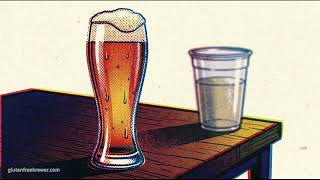 Watch on YouTubeThe No-Beer ApocalypseWhy a diagnosis used to mean the end of beer, and what that demanded of the answer. AI-generated from this page and reviewed for accuracy.
If you had celiac disease and you loved beer, the loss was not theoretical. Beer was one of the things that disappeared.
The whole beer system was built on gluten grains. What existed outside it was rare, weak, unpleasant, unsafe, or not really beer in any meaningful sense. The market's answer was a shrug: lower your expectations.
That was the no-beer apocalypse.
And it was never only about a drink. Beer sits inside food, culture, ritual, and the ordinary business of being around other people. Being told none of it was for you, and that you should be grateful for whatever compromise turned up, was a lousy answer.
We founded Bard's to attack that premise.
Making something alcoholic without gluten was never the hard part; that had been done, badly, several times over. The challenge was to make beer:
- from gluten-free grain;
- with malt character instead of syrup-only thinking;
- with a mash and enzyme plan built for the actual raw materials;
- with enough process control to survive production;
- with a gluten-free claim people could trust;
- and with flavor good enough that the label did not have to beg for forgiveness.
We proved the old premise wrong. Gluten-free drinkers did not have to accept no beer, and they did not have to accept bad beer either.
Why this still matters
The no-beer apocalypse comes back every time the category treats gluten-free beer as a dietary exception instead of as beer.
A weak product does not become good because the drinker has fewer choices.
Next: Building Bard's.